
Gastroenterology
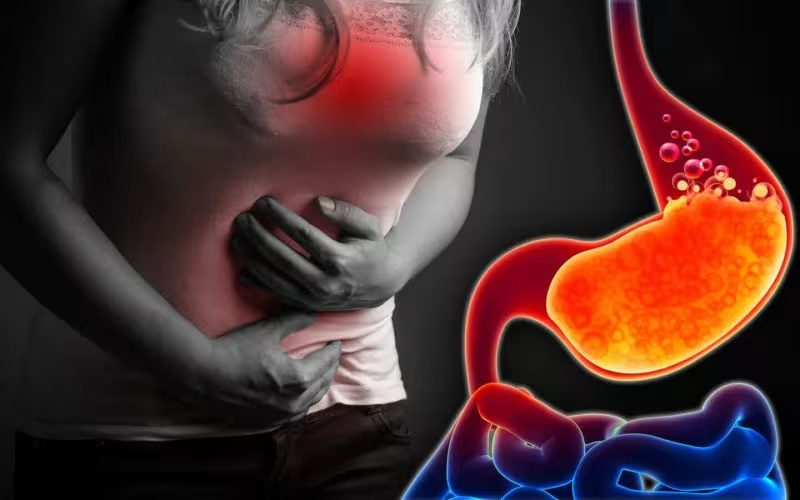
Acid reflux is a common gastrointestinal disorder where stomach acid flows backward into the esophagus. When symptoms occur more than twice a week, the condition may be classified as Gastroesophageal Reflux Disease (GERD). If left untreated, it can significantly impact quality of life.
Common Symptoms Observed in Patients:
- Persistent heartburn
- Regurgitation of sour liquid
- Chest discomfort after meals
- Difficulty swallowing
- Chronic throat irritation
Major Risk Factors:
- Obesity
- Smoking
- Pregnancy
- Heavy or late-night meals
- Spicy and fatty food consumption
Clinical Management Strategy:
- Proton pump inhibitor-based therapy
- Prokinetic support for improved gastric emptying
- Lifestyle modifications
- Dietary control
Preventive Recommendations:
- Eat smaller, frequent meals
- Avoid lying down immediately after eating
- Reduce caffeine and alcohol intake
- Maintain ideal body weight
Early diagnosis and proper pharmacological support help prevent complications such as ulcers and esophageal damage.